About GRABS
BUILT FOR FREESKIING
IT STARTED WITH A RUBBER BAND
Back in 2022-2023 Birk was skiing sometimes with poles and sometimes without. When FIS made a rule change making poles mandatory in competitions, he saw an opportunity. There was no pole for freeskiers.
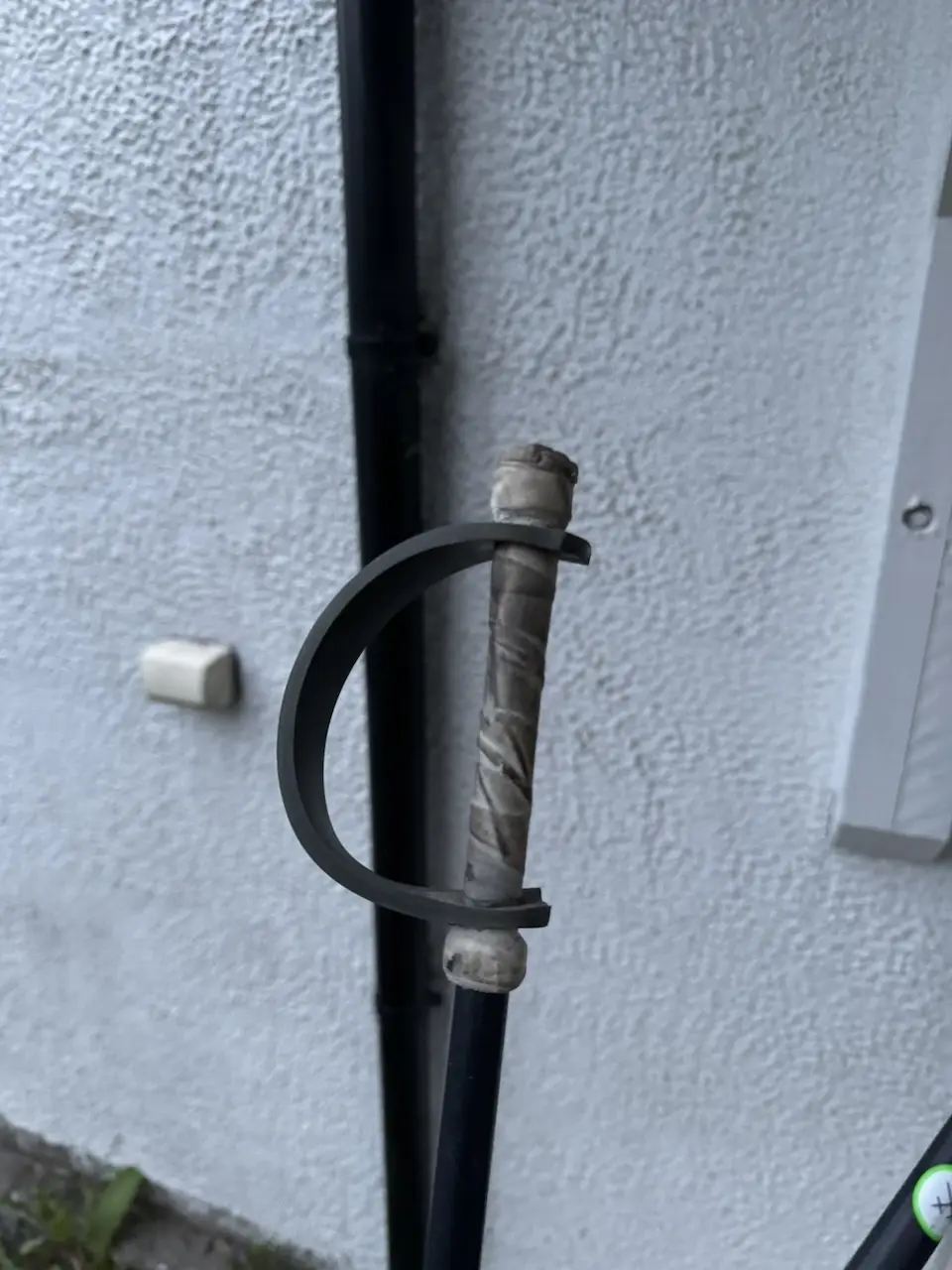
Birk wanted a pole that stayed with his hand when he grabbed. So he built one himself with an elastic strap, basically a rubber band, on a pole. The first time he rode it he knew he was onto something, the freedom of having the pole follow the hand was entirely new.
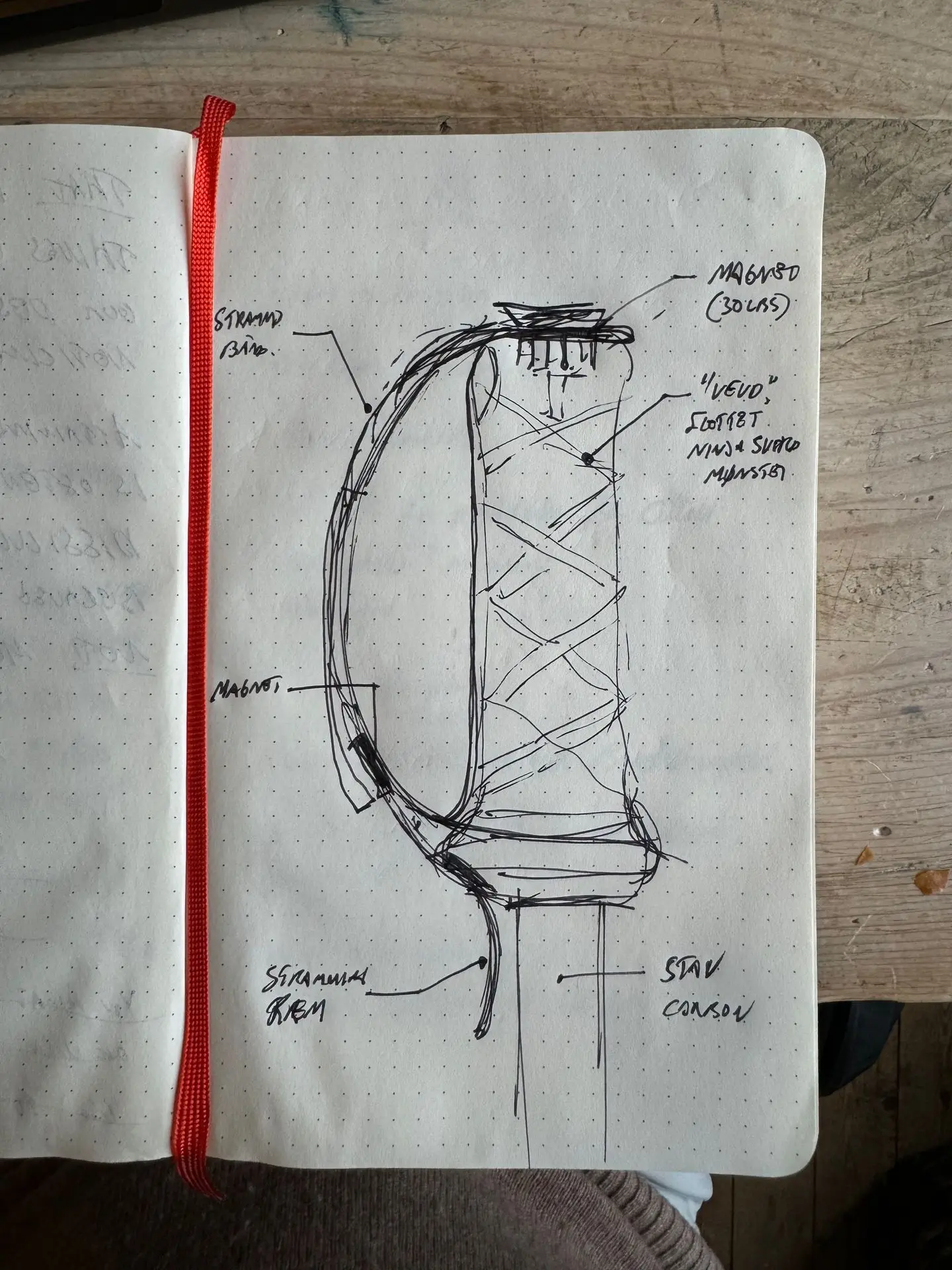
The first sketch.
One of Birk's earliest prototypes, made with a rubber band.
Birk skied with that prototype and kept working on it for a year on the circuit. It worked, but still rough, hard to put on, and rubber band kept the pole connected, but it was too tight and cut of circulation in his hands and would have to be ripped off on falls.
It was when other riders started copying the prototype and asking Birk for help making their own that he thought this could be the start of something big. That this concept deserves to be a real product, it can create real value to riders and add function and safety at the same time. An with the FIS rule change , poles became a must-have, and not one pole there to fulfill the need. That is when the idea of Grabs was born.
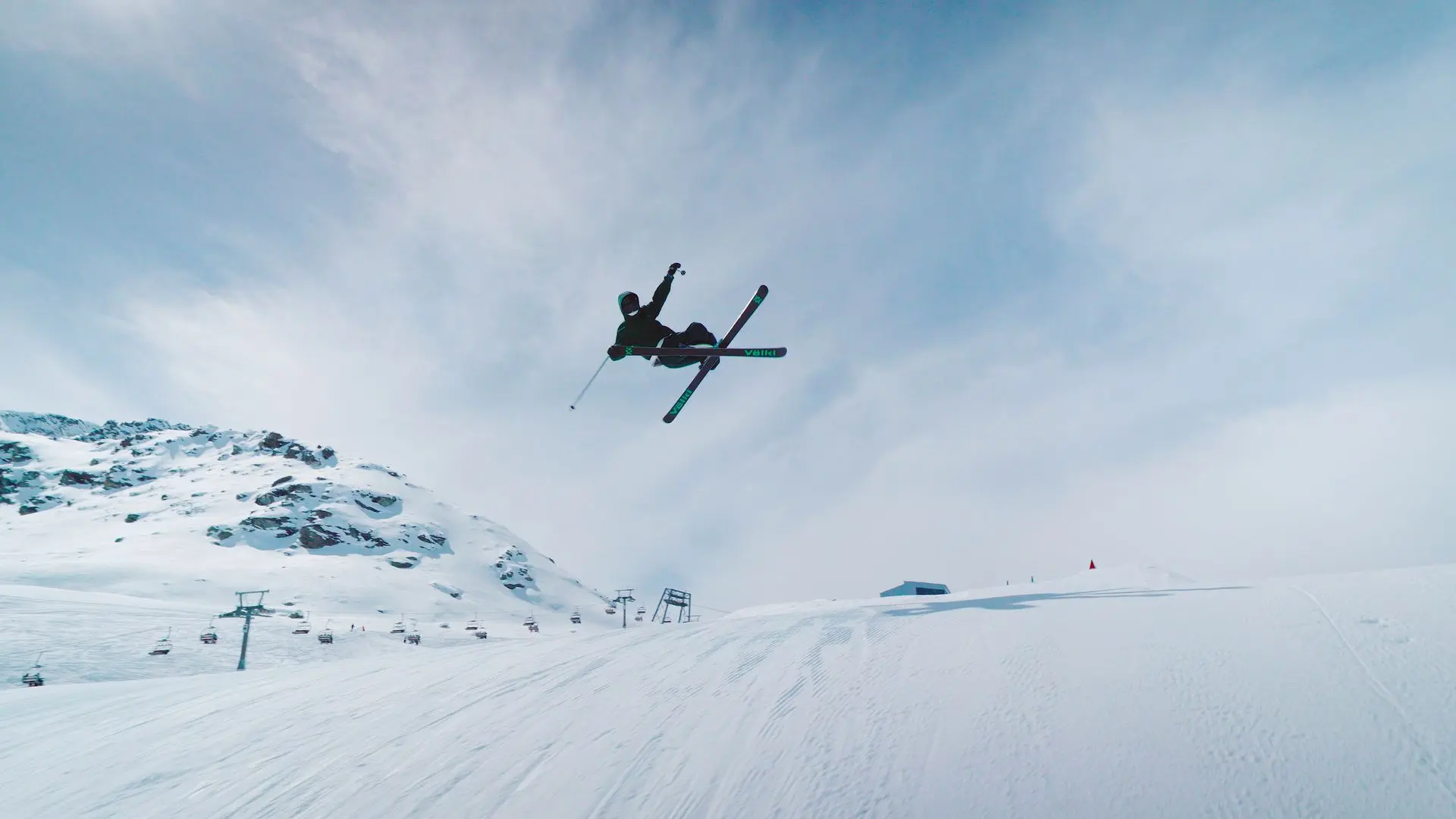
Birk in Silvaplana testing the idea where it mattered most: on snow.
It was when other riders started copying the prototype and asking Birk for help making their own that he thought this could be the start of something big. That this concept deserves to be a real product, it can create real value to riders and add function and safety at the same time. An with the FIS rule change , poles became a must-have, and not one pole there to fulfill the need. That is when the idea of Grabs was born.
A season later, at his grandmother’s 80th birthday, Birk asked his uncle, Thomas, if he was interested in looking at his idea for a new type of ski pole for freeskiing. Thomas loved the idea. Being an architect and product designer who had spent thirty years taking ideas from concept to production, and a former competitive skier himself, he saw the value for riders, the potential of the concept and the safety aspect that was non existing.
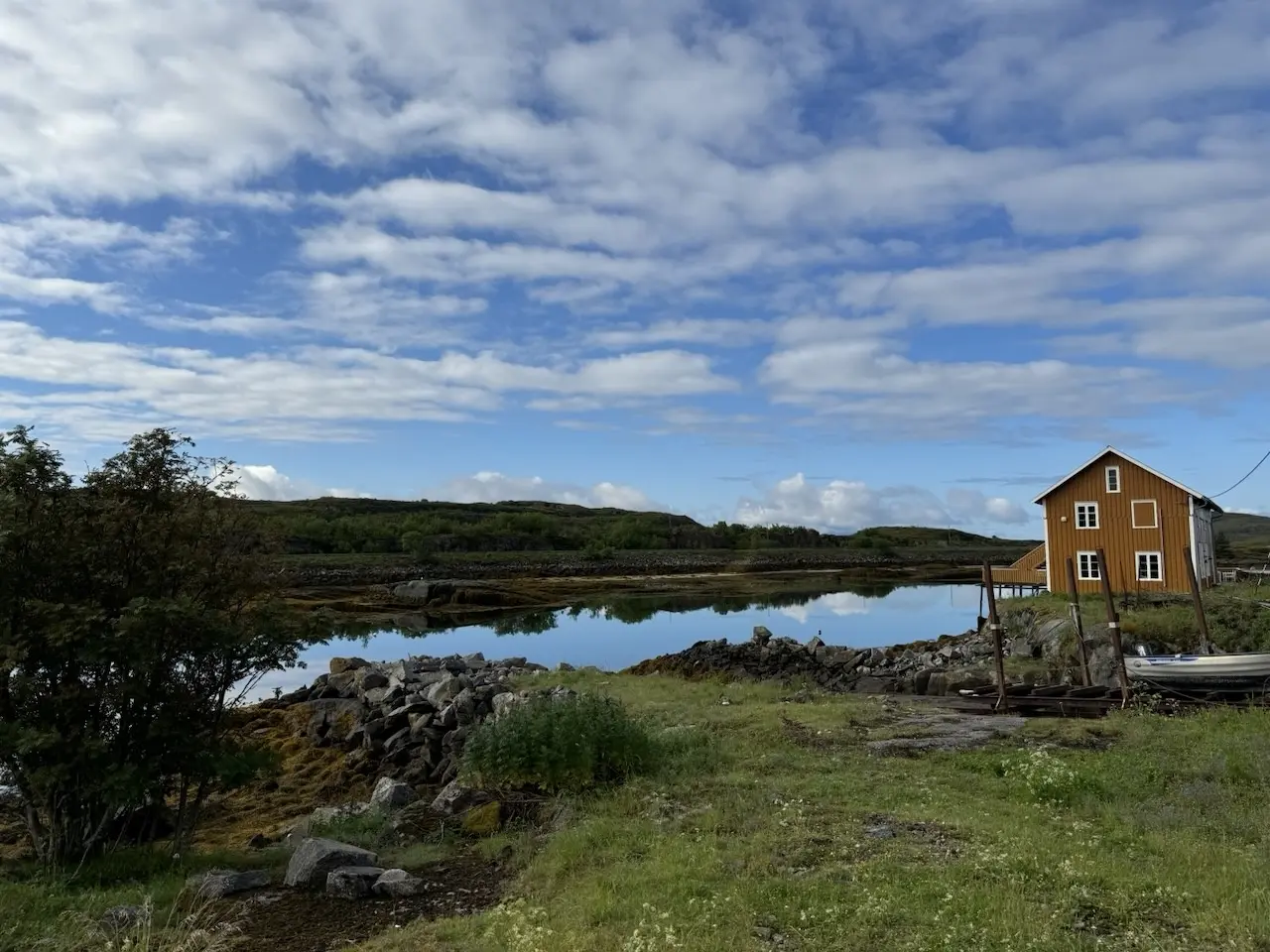
The place where the first prototype were created. Støtt in Nordland, Norway.
The first prototype.
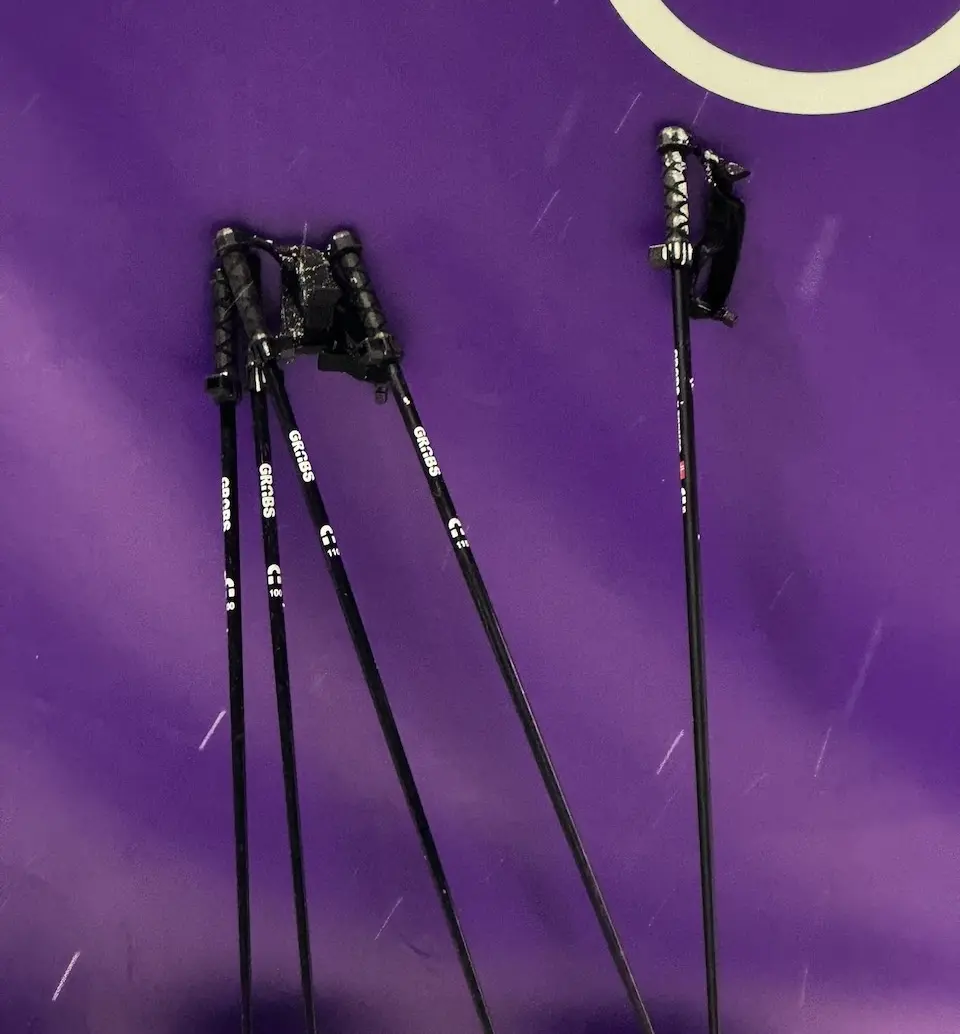
The latest product.
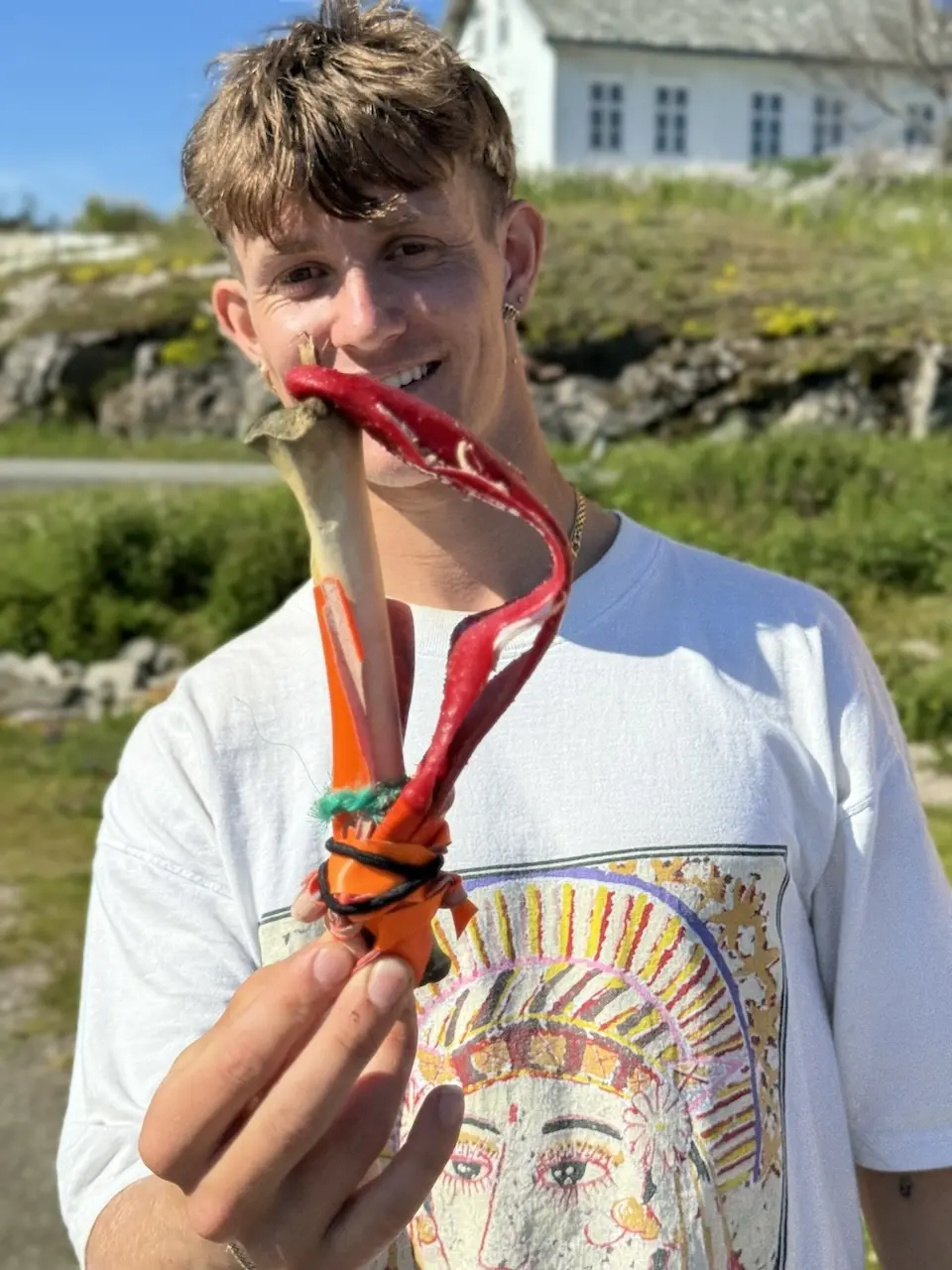
Birk shared his ideas and Thomas went to work with sketches and crude wood and elastic bands. In the first weeks they broke the problem down to first principles. The core questions were simple: how can the strap hold your pole in place when you open your hand to do a grab? And more so, can it release if you crash? And it must be easy to take on and off.
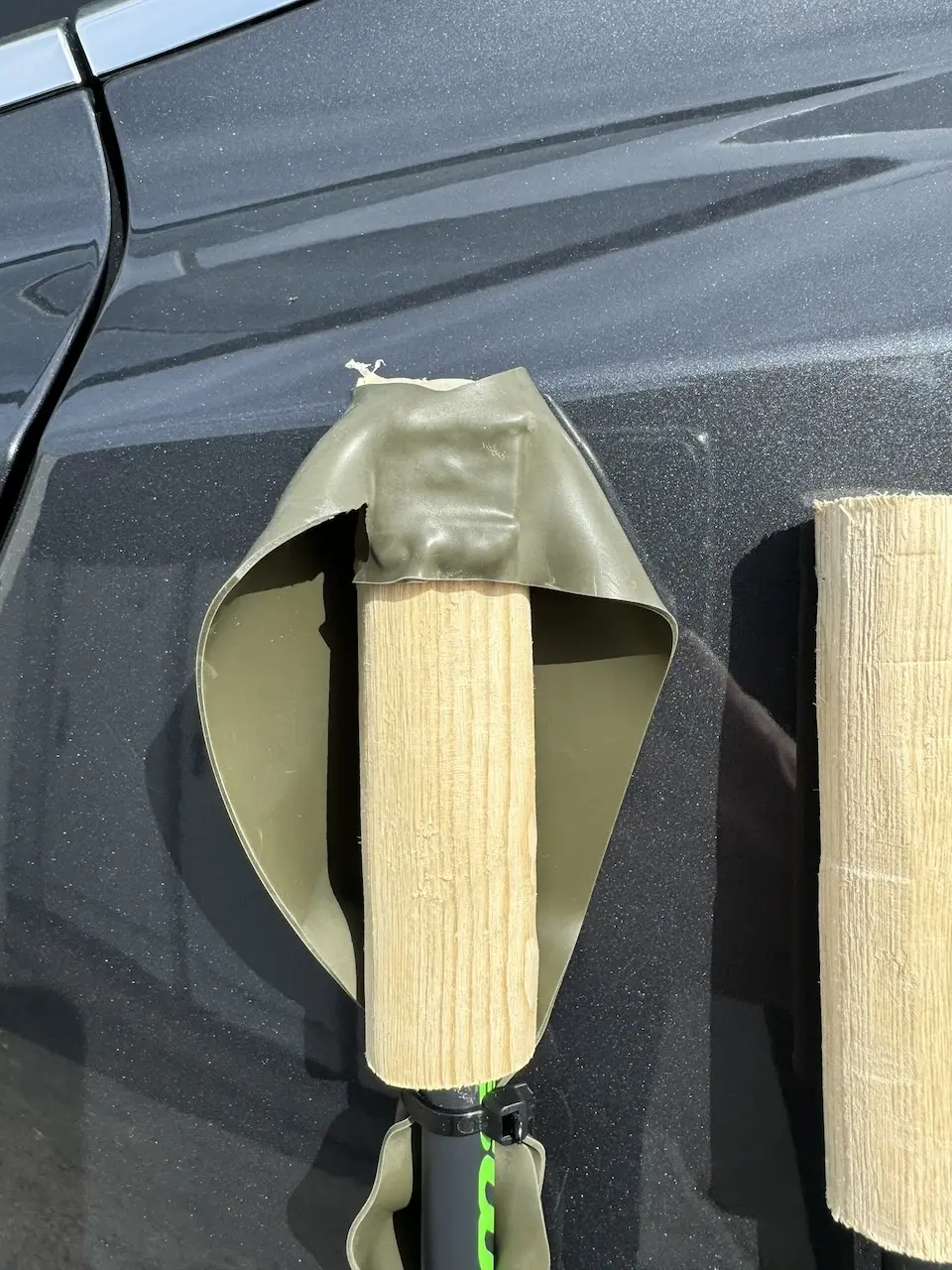
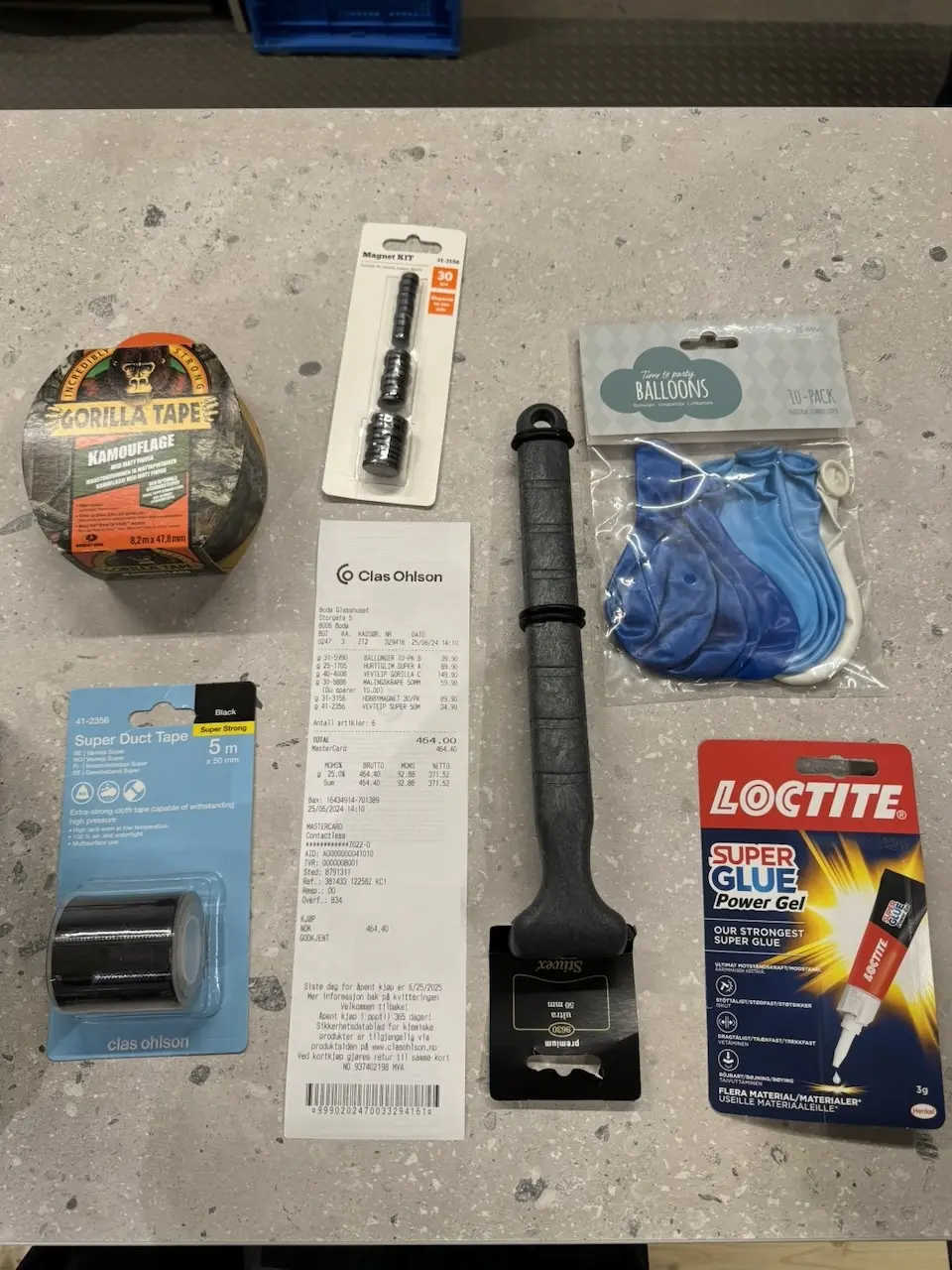
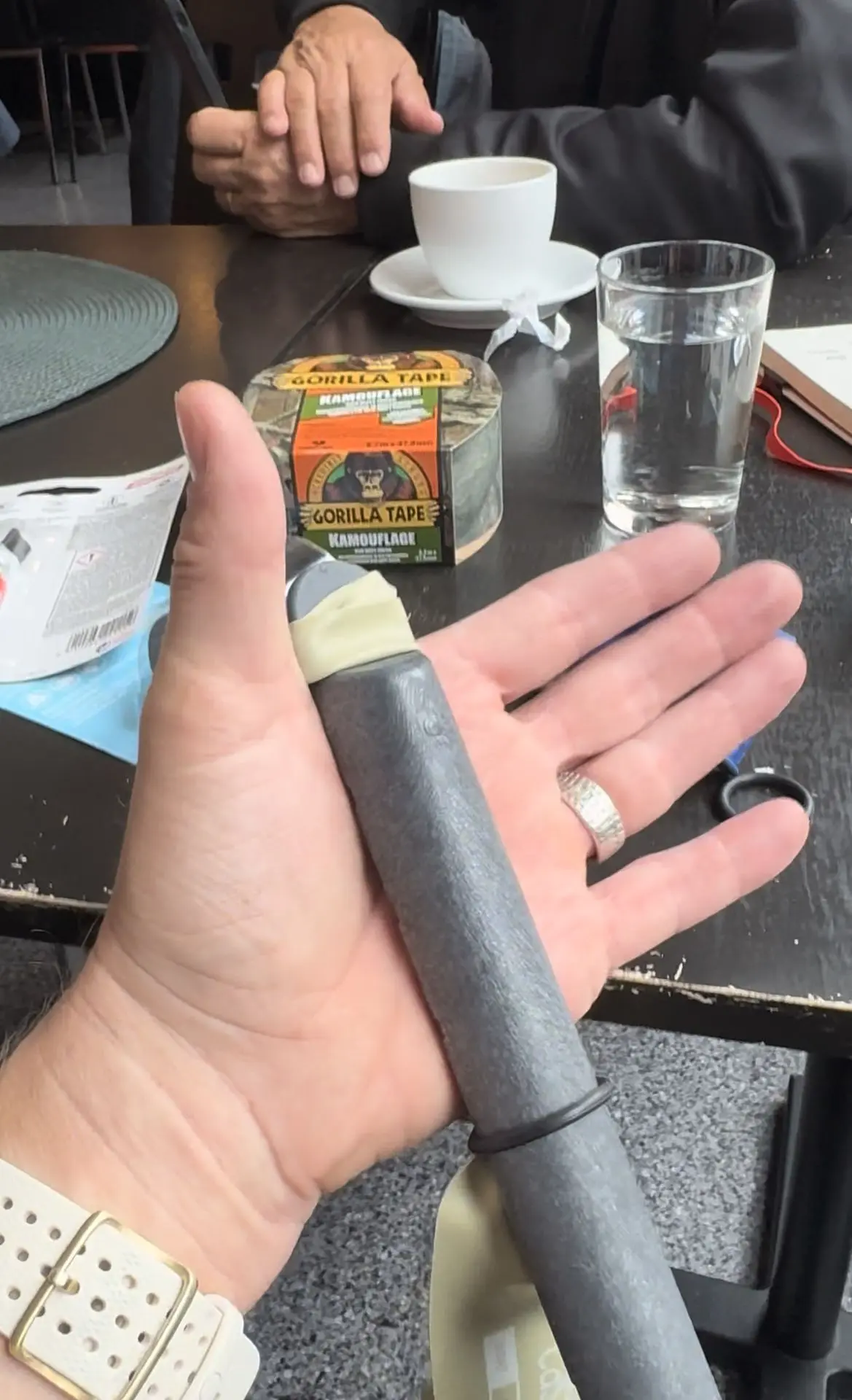
The first experiments used everyday materials to explore different ways of connecting the pole to the hand.
Tape and glue was all we needed in the beginning.
And how awesome if it was component based so you can build your own pole, for whatever skiing you’re up to.
The handle was made out of wood.
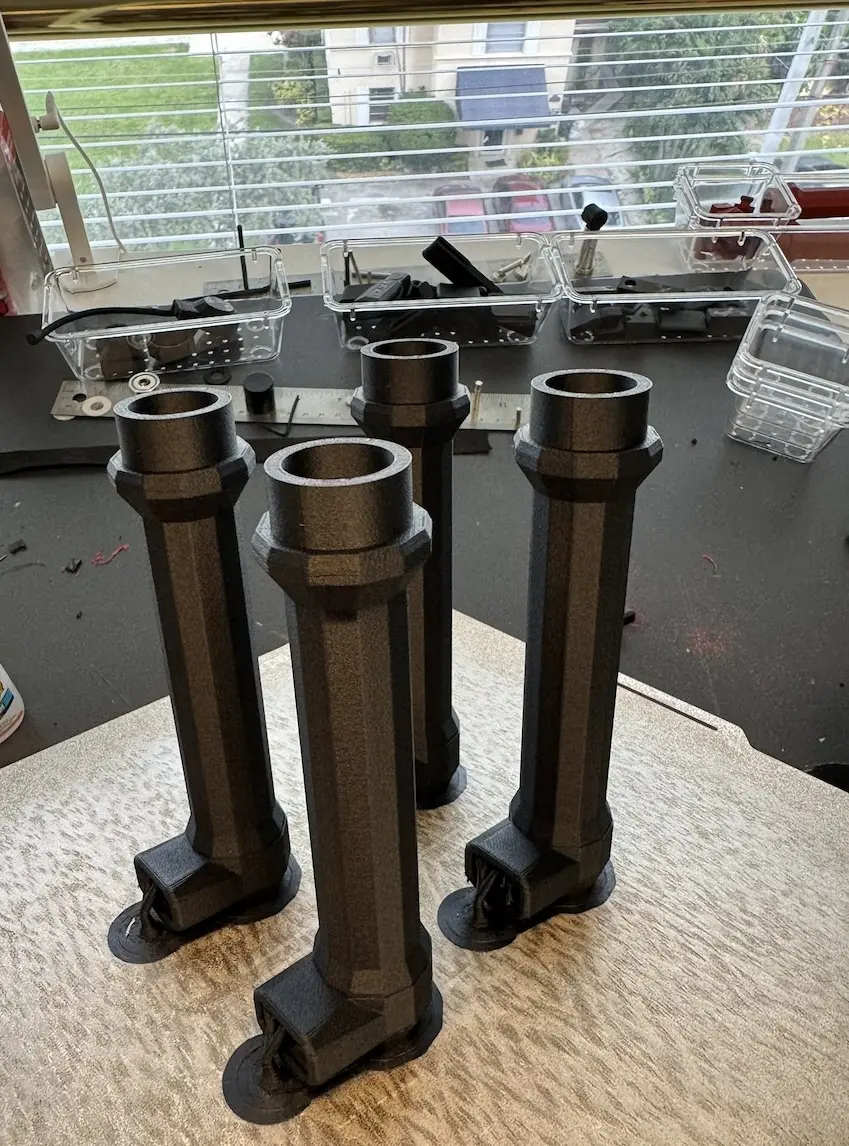
From there it moved to computer modeling and 3D printing. Thomas brought magnets to the table. That was his idea. A magnet in the strap cap and another in the top of the handle. They went through more than 500 prototypes. Thomas spent thousands of hours that first year on design, testing, and patents. He worked as hard on the project as Birk did on the slopes.
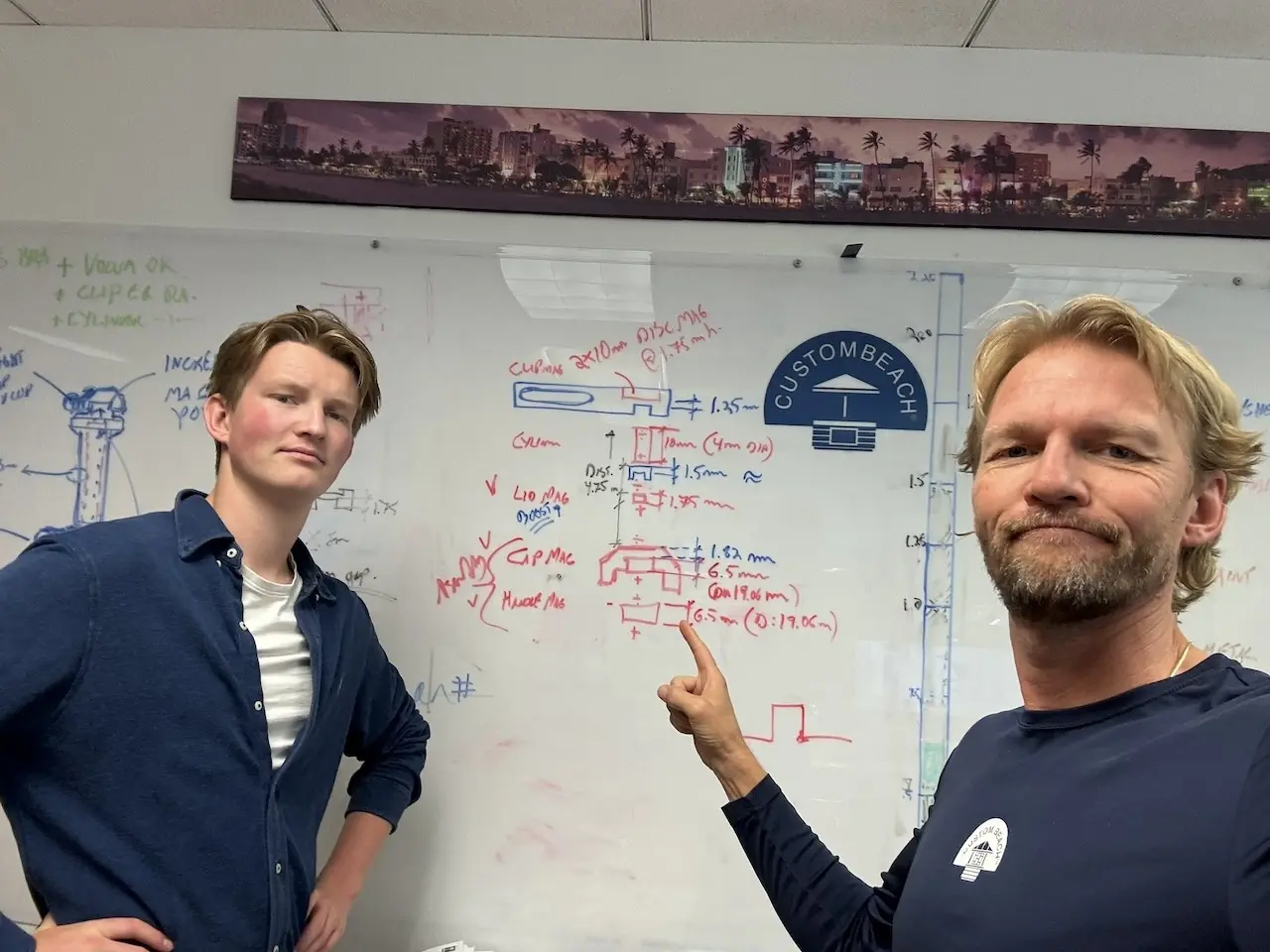
Jesper and Thomas figured out the magnetic connection.
The early 3D-models of the handle.
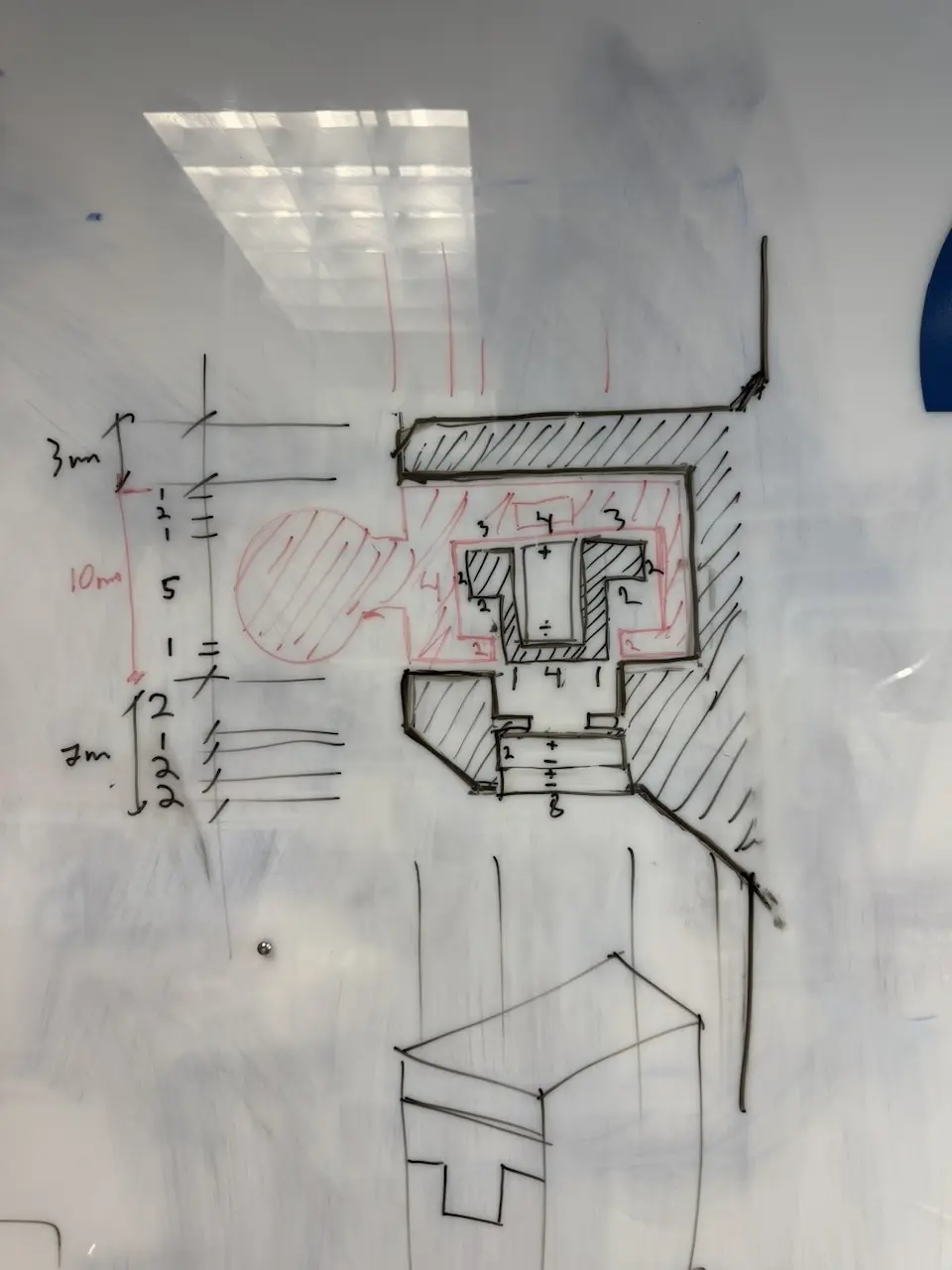
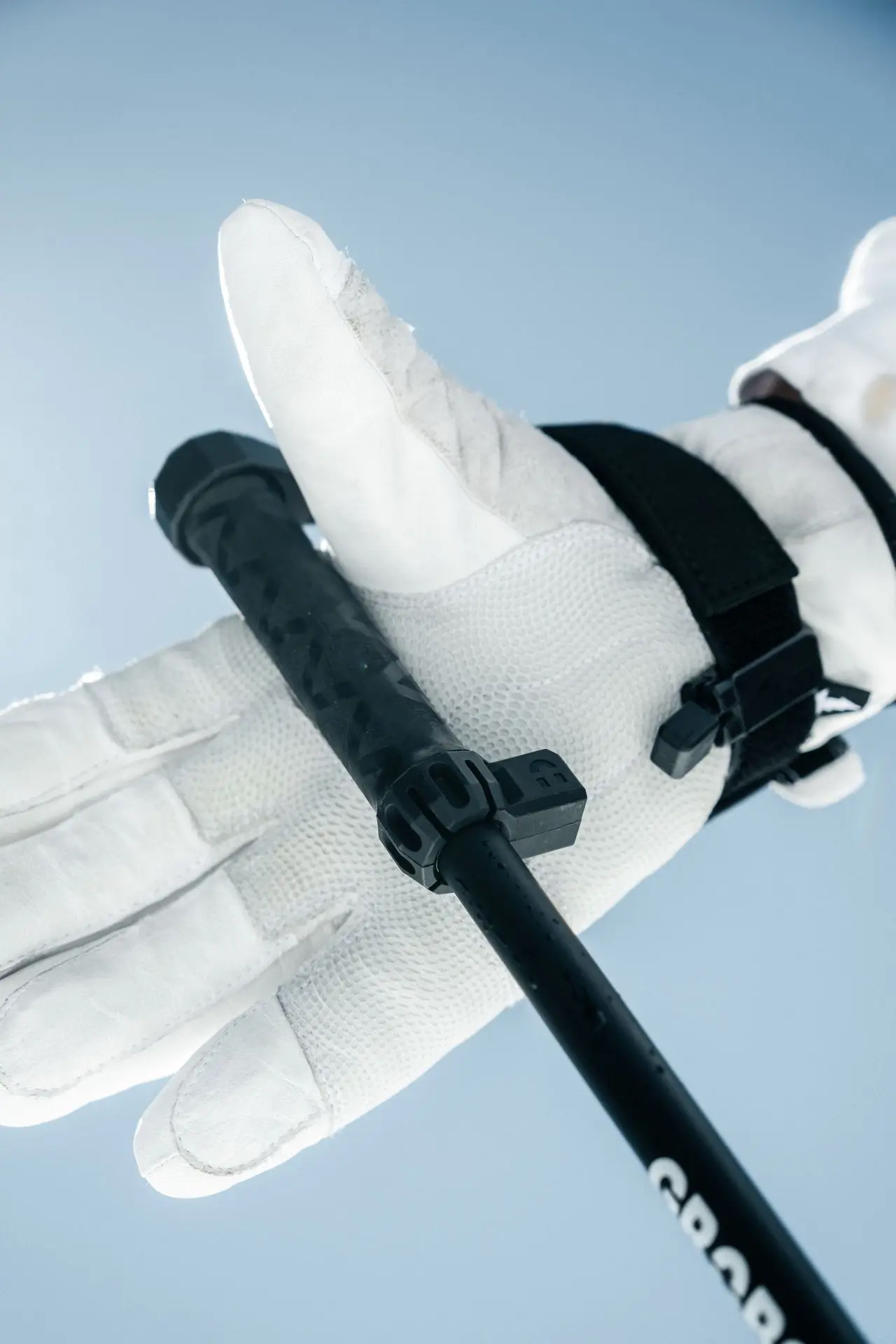
What came out is a system. The magnetic connection and elastic strap system keeps the pole connected to your hand when you need it and releases on impact when you don’t. Everything works together, every part is interchangeable, so you can run a competition handle or a park handle on the same shaft and strap, no tools required. If something wears out or you need a different setup, you swap the part instead of throwing the pole away. We invent a new handle, swap out your existing handle.
You buy a Grabs pole once, and upgrade or swap components when you want. And if something breaks, replace the part, not the pole. We love that.
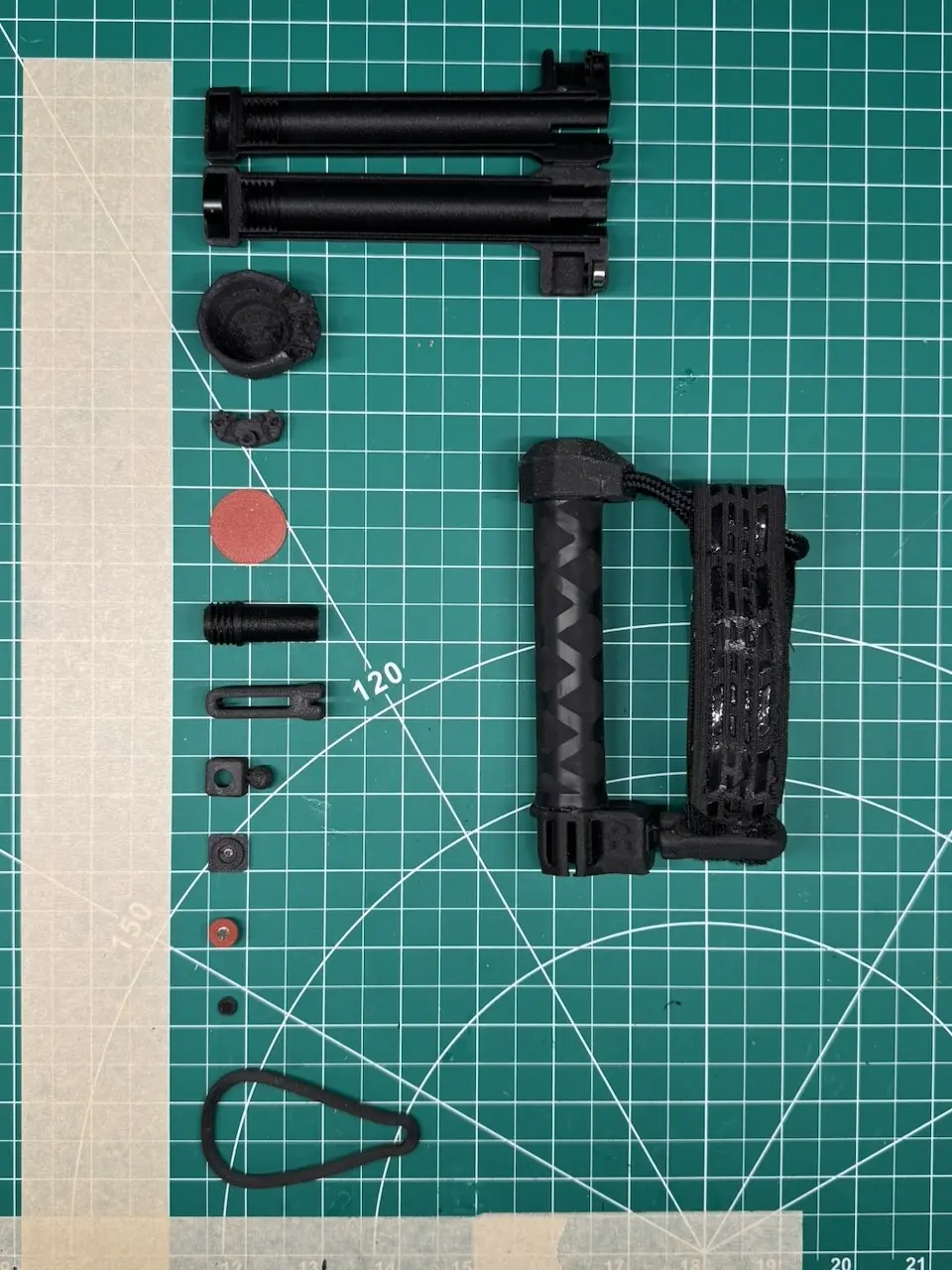
How the MagKey® works.
The components of the handle.
DEVELOPMENT DIDN'T END WITH THE PROTOTYPES
From the beginning, feedback from freeskiers shaped it. Birk was sure his friends - some of the best skiers in the world - would test it and tell the truth. They did. The response blew them away. In under eighteen months the idea went from a rubber band Birk had already been riding for a year to poles on the biggest stage. At the Olympics, nine of the twelve men’s Big Air finalists chose to ride GRABS.
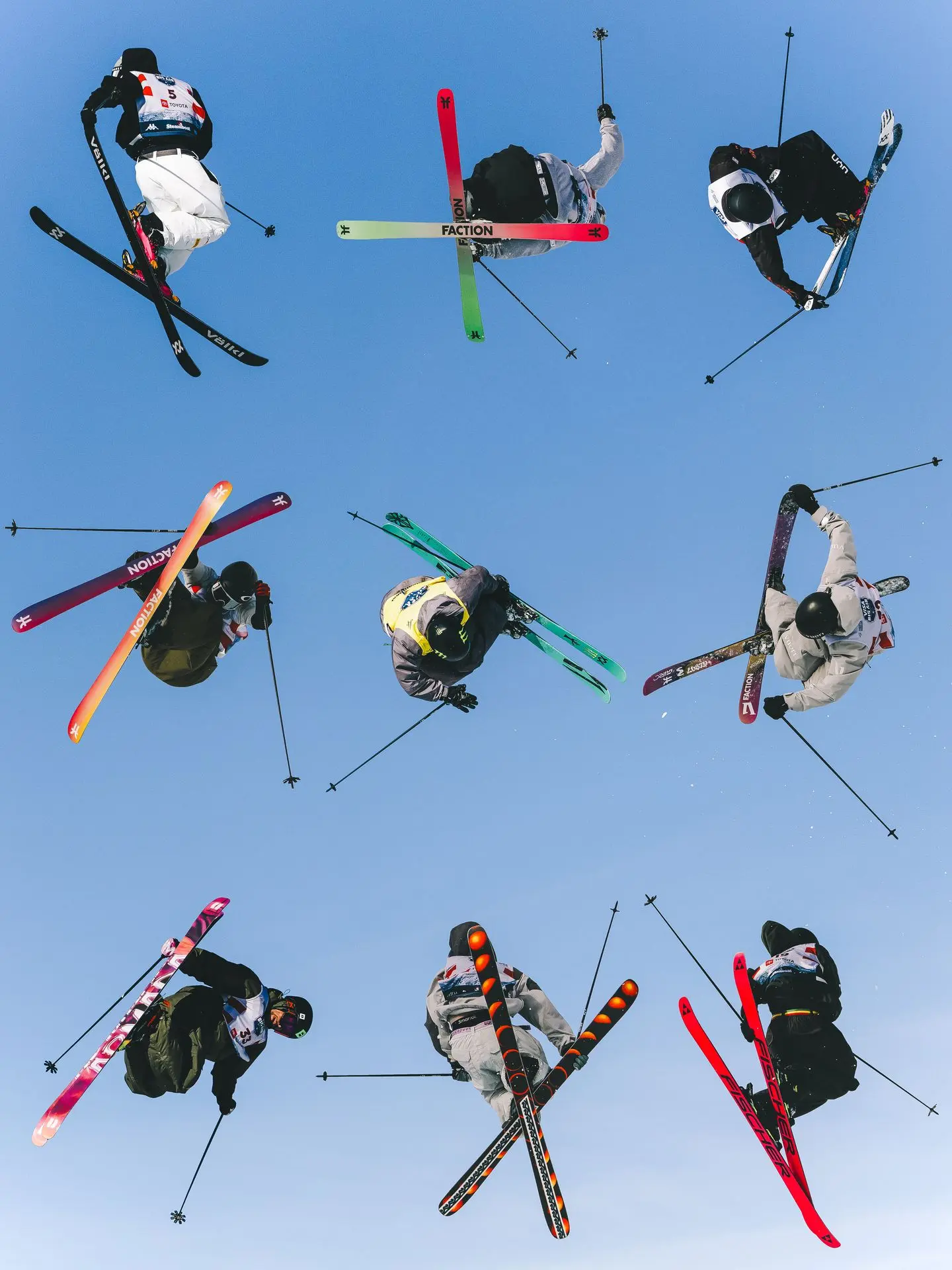
From top left to right: Miro Tabanelli, Mac Forehand, Hannes Rudigier, Kadi Gomis, Luca Harrington, Thibault Magnin, Keagan Supple, Thierry Wili, Julius Forer.
The poles at the biggest stage in sports. 3 for 3 on the podium.

Today, GRABS is a team of skiers, designers and people who believe ski poles can be better.
We're still building, testing and improving. The mission hasn't changed: make the best ski pole in the world.